New Rules, No Apologies: How Punk's Youngest Voices Are Blowing Up the Old Playbook
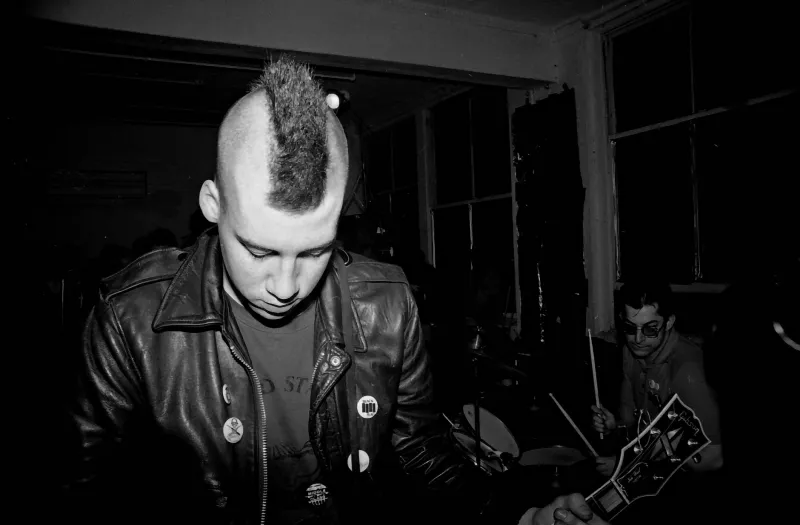
There's a version of punk that lives rent-free in the mainstream imagination — the one with the leather jacket, the bottle of cheap beer, and the sneer that says don't tell me what to do. That image has been recycled so many times it's practically a costume. But spend any time actually talking to the kids building scenes right now, in basements in Philly, at all-ages spaces in Portland, at queer punk nights in Chicago and Atlanta, and you'll find something that looks and sounds a whole lot more interesting than the nostalgia reel.
Punk in 2024 is being rewritten — not by executives or algorithms, but by the people showing up to every show, zine fair, and late-night practice session. And the old guard? Some of them are furious about it.
The X on the Hand Isn't a Phase
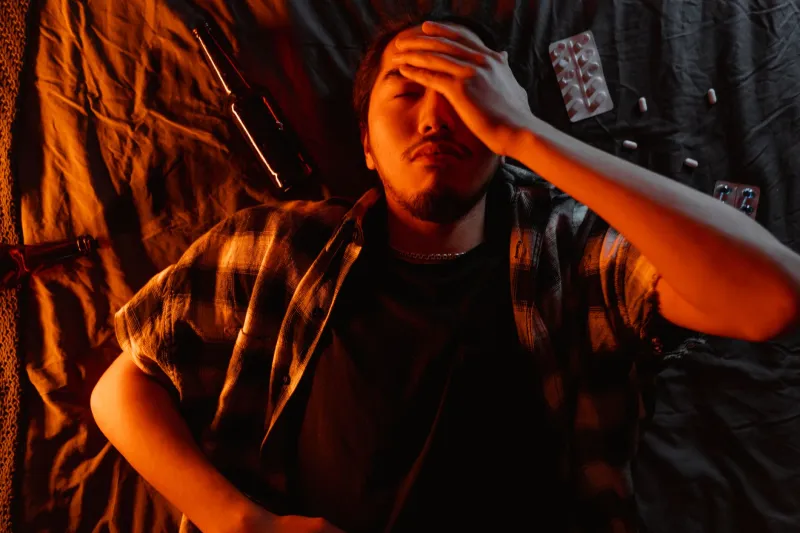
Straight edge has always occupied a weird corner of the punk and hardcore universe. Originating in the early '80s D.C. scene — Minor Threat, Ian MacKaye, the whole lineage — it was a personal rejection of drugs and alcohol that some people turned into an identity and, sometimes, an ideology. For decades it got mocked from both sides: too rigid for the punks, too aggressive for the normies.
But something's shifted. Talk to straight edge kids under 25 today and the framing is almost entirely different from the old-school, hardline version that made people uncomfortable in the '90s. It's less about rules and more about reclaiming control in a world that feels genuinely out of control.
"I grew up watching adults around me completely fall apart," says Maya, a 22-year-old from Columbus who plays bass in a straight edge hardcore band and runs a small zine distro. "Substance culture was everywhere — at shows, in my neighborhood, in my own house. Going straight edge wasn't about being better than anyone. It was about deciding I wanted to be present for my own life."
That framing resonates with a lot of young people who came of age during a period defined by a pandemic, economic anxiety, and a mental health crisis that hit their peer group especially hard. The straight edge community they're building isn't policing anyone's choices — it's creating space for people who want an alternative to a scene that has historically centered alcohol as a social lubricant.
"You ever try to connect with people at a show when everyone's drunk and you're not?" Maya laughs. "It's isolating. So we started our own shows. Sober spaces. And they're packed."
Queer Punk Isn't a Subgenre — It's a Correction
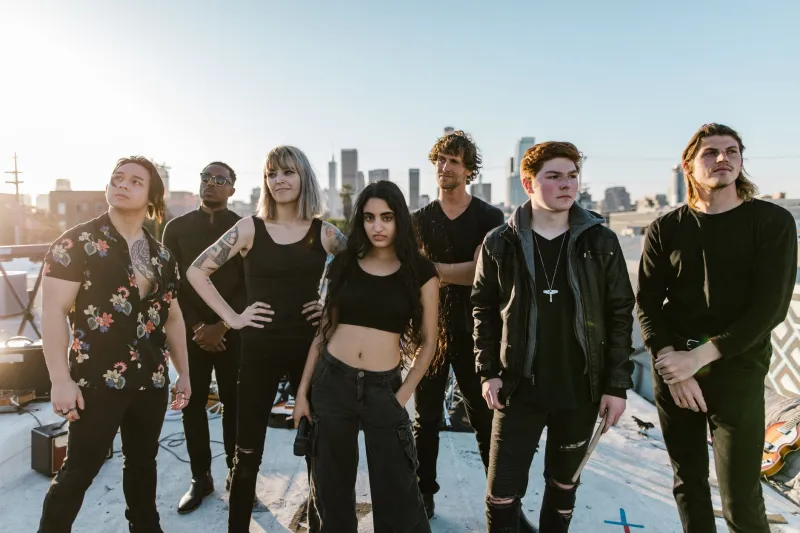
If straight edge is experiencing a quiet renaissance, queer punk is having a full-on explosion. LGBTQ+ punk collectives are popping up in cities and mid-size towns across the country, and they're not positioning themselves as a niche offshoot. They're arguing — convincingly — that they're closer to punk's actual spirit than a lot of what gets called punk these days.
"Punk was always supposed to be about the people who didn't fit," says Jordan, a 24-year-old trans guitarist and event organizer based in Atlanta. "But for a long time, the 'people who didn't fit' still had to fit a very specific mold — usually white, usually male, usually straight. That was never the whole story, but it got told that way."
Jordan helps run a queer punk collective that puts on monthly shows, maintains a booking network for LGBTQ+-friendly venues across the Southeast, and publishes a zine that's now on its 14th issue. The music runs the gamut — hardcore, pop-punk, riot grrrl-influenced stuff, noise rock — and the crowds are genuinely mixed in ways that older punk spaces often weren't.
What's notable is how deliberately these communities are building infrastructure. It's not just "let's do a show." It's booking networks, zine archives, mutual aid funds for touring bands, safe space policies that get enforced. It's scene-building with intention, and it's producing some of the most vital punk music being made in America right now.
Bands like G.L.O.S.S. (Girls Living Outside Society's Shit) laid important groundwork before breaking up in 2016, and their influence is visible everywhere in this current wave. Younger acts are picking up that thread and running with it hard.
The Pushback Is Loud (and Kind of Proves the Point)
Not everyone is thrilled. Online forums and comment sections — the last strongholds of a certain type of punk traditionalism — have been loud about their objections. The criticisms tend to cluster around a few familiar complaints: it's too political, it's too safe, it's not real punk.
That last one is worth examining for a second. "Not real punk" is maybe the most durable insult in the scene's history, deployed against everyone from the Clash to Green Day to Paramore. It's also almost always wrong in retrospect. The gatekeeping instinct in punk is genuine and deeply rooted, but it has a terrible track record of identifying what actually matters.
"Every generation of punk kids gets told they're doing it wrong by the generation before them," says Dani, a 27-year-old who books shows in Denver and has been playing in bands since she was 16. "That's not a sign something's gone wrong. That's literally how punk works. The whole point is that you don't wait for permission."
The irony — and it's a rich one — is that the complaints about today's punk subcultures sound almost identical to the complaints that were leveled at straight edge and riot grrrl when those movements first emerged. Too ideological. Too identity-focused. Not focused enough on just rocking out. History has not been kind to those critics.
Building Something That Lasts
What's striking about the young scene builders driving these subcultures isn't just what they're pushing back against — it's what they're actively constructing. The emphasis on all-ages spaces, on accessibility, on creating environments where people can actually feel safe enough to lose themselves in the music, reflects a real understanding of what punk shows can be at their best.
Strung Out has spent three-plus decades playing to rooms full of people who needed exactly that kind of release. The specifics of the crowd have always changed. The need hasn't.
"I came to punk because I needed somewhere to put all this stuff I was feeling," Jordan says. "I want to make sure the next kid who needs that has somewhere to go — and that when they show up, they actually feel like they belong there."
That's not a betrayal of punk. That's the whole damn thing.
The rulebook is getting rewritten in real time, in basements and borrowed spaces and group chats and zine pages. If the old guard wants to argue about whether that counts as punk, they're welcome to. The kids building these scenes will be too busy actually building them to notice.