Cotton Over Catalog: How the Humble Band Tee Became Punk's Most Reliable Paycheck
There's a folding table near the exit of pretty much every punk show in America. It's covered in stacks of tees, a few hoodies, maybe some patches and pins, and a hand-lettered sign with prices that would've seemed steep twenty years ago. Nobody blinks. People line up. The cash moves.
That table? It's not an afterthought anymore. For a huge chunk of working punk bands in 2024, it's the whole business model.
The Record Stopped Paying the Rent
Let's just say it plainly: selling music doesn't make bands money the way it used to. Streaming royalties for independent artists are notoriously brutal — we're talking fractions of a cent per play, with payout structures that heavily favor major-label volume. An indie punk band moving a few thousand streams a month isn't buying gas with that check. They're barely buying coffee.
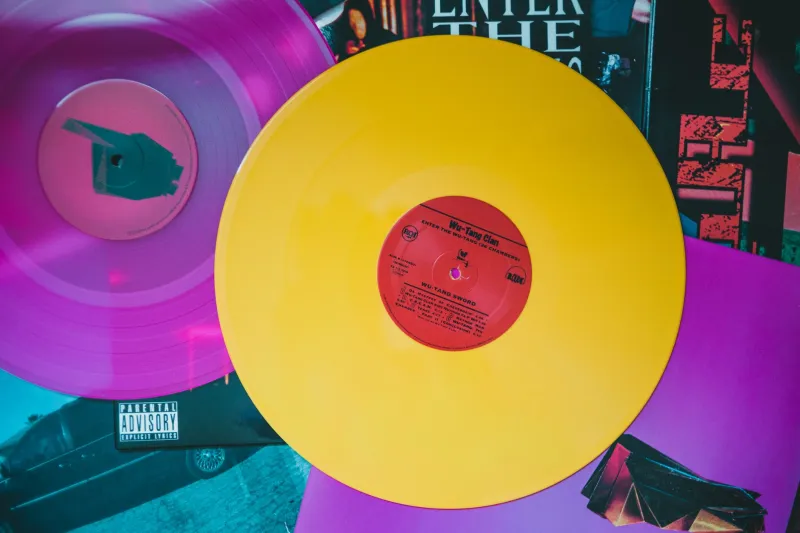
Physical sales have their loyalists — and vinyl has made a genuine comeback in certain corners of the punk world — but even a well-pressed record with a limited run doesn't generate the kind of consistent, scalable income that keeps a four-piece band from imploding between tours.
Merch does.
A $30 tee shirt costs a band somewhere between $6 and $10 to produce at scale, depending on print complexity and blank quality. A $55 hoodie might run $18 to $22 landed. Those margins — 60 to 70 percent on a good night — are something the recorded music side of the industry hasn't seen since the CD era. Bands figured this out. They've been leaning into it hard.
The Psychology of Wearing Your Loyalty
Here's what makes merch different from a digital download: it's visible. When someone buys a Strung Out tee or grabs a hoodie from a band they just discovered opening a show, they're not just making a purchase. They're making a statement. They're joining something.
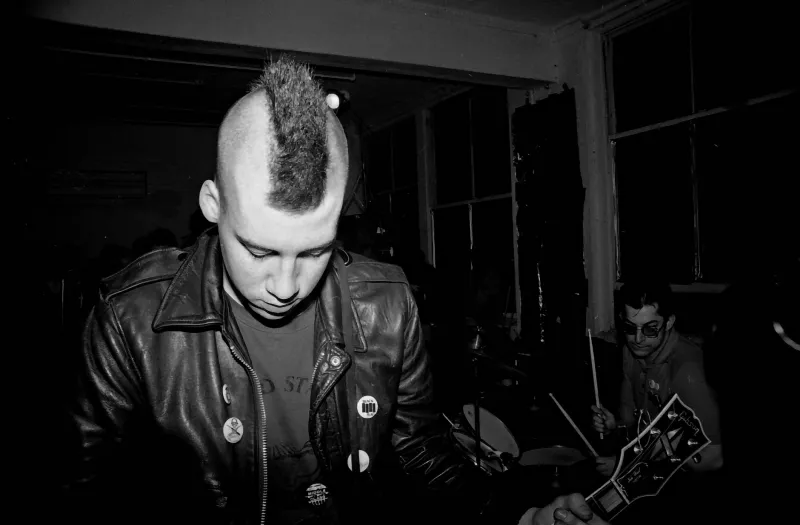
Punk has always been tribal in that way. The battle jacket covered in patches, the worn-out shirt from a show three years ago — these aren't just clothes. They're a shorthand, a signal to other people in the know. I was there. I've been here. This band matters to me.
That emotional weight is what brands in every other industry spend billions trying to manufacture. Punk bands get it for free, just by being authentic. And smart bands are absolutely capitalizing on it.
"People want to feel connected to something real," says one DIY band manager who works with several touring acts out of the Midwest. "When someone buys your shirt, they're not just supporting you financially — they're making you part of their identity. That's a completely different transaction than clicking 'follow' on a streaming app."
The DIY Blueprint: How Smaller Bands Are Running It
The merch hustle isn't just for bands with booking agents and tour managers. Plenty of smaller acts — the ones playing 200-cap rooms and selling out of a duffel bag — have developed surprisingly sophisticated approaches to the game.
Limited runs are everywhere right now. Bands will drop a shirt that's only available at a specific run of shows, or a design that's tied to a particular release cycle and then retired forever. Scarcity drives urgency. People who missed the first run are more likely to jump on the next one.
Collaborations have also become a real thing at the grassroots level. A band might partner with a local artist to create a design that's genuinely collectible — something that appeals both to music fans and people who care about the art itself. That crossover audience is valuable.
Online stores have extended the revenue window far beyond the show itself. Bands that once relied entirely on in-person sales now run their merch through platforms like Bandcamp, their own Shopify stores, or even Instagram shopping links. A tour announcement drops, the online store gets a traffic spike, and suddenly a band in Phoenix is shipping hoodies to kids in Vermont who've never seen them live.
The Numbers Game at the Merch Table
Let's actually do the math, because it's pretty eye-opening.
A band plays a show to 300 people. Conservative estimate: 15 percent of the crowd buys something. That's 45 transactions. Average sale of $35 — mix of tees, a few hoodies, some cheaper items like pins or patches. That's $1,575 gross at the table.
Now subtract production costs. If the average item cost the band $10 to produce, and the average sale is $35, you're looking at roughly a 71 percent margin. On $1,575 gross, that's somewhere around $1,100 in actual profit from one night's merch alone.
Compare that to streaming. At Spotify's average per-stream payout of around $0.003 to $0.005, you'd need somewhere between 220,000 and 370,000 streams to match what that folding table made in a single evening.
That's not a dig at streaming — it's just reality. The economics aren't even close.
Venue Cuts and the War Over the Table
It's not all clean money, though. One of the more contentious issues in the touring world right now is the venue merch cut — the percentage that some clubs and promoters take from a band's table sales. Rates vary wildly, from zero at smaller DIY spots to 20 or even 25 percent at larger venues.
For bands operating on thin margins, that cut stings. A lot of artists have started negotiating harder on merch terms as part of their show deals, treating the table percentage as seriously as the door split or the guarantee. Some have gotten creative — selling items at slightly higher price points to absorb the cut, or pushing fans toward their online store during shows to capture sales outside the venue's reach.
It's a legitimate friction point, and one that's pushed some acts toward building stronger direct-to-fan relationships outside of the live setting entirely.
What This Means for the Music
Here's a question worth sitting with: does any of this change what bands make?
Maybe a little. There's a real incentive to keep touring, keep showing up, keep staying visible — because the merch revenue is tied to presence. A band that goes quiet for two years doesn't just lose mindshare; they lose the consistent income stream that comes from being on the road and in front of people.
But there's also an argument that it reinforces something punk has always valued: showing up in person, building community face to face, making the live show the center of everything. The folding table at the back of the room isn't a compromise. It's a continuation of the same DIY ethic that's kept this music alive for decades.
The business model changed. The spirit didn't.
And somewhere right now, a band is loading a duffel bag full of tees into the back of a van, pointing it toward the next town, and doing the whole thing over again. That's the hustle. That's always been the hustle. It just comes with better margins now.