Drop the Needle: How Punk's Vinyl Obsession Became an Act of Rebellion
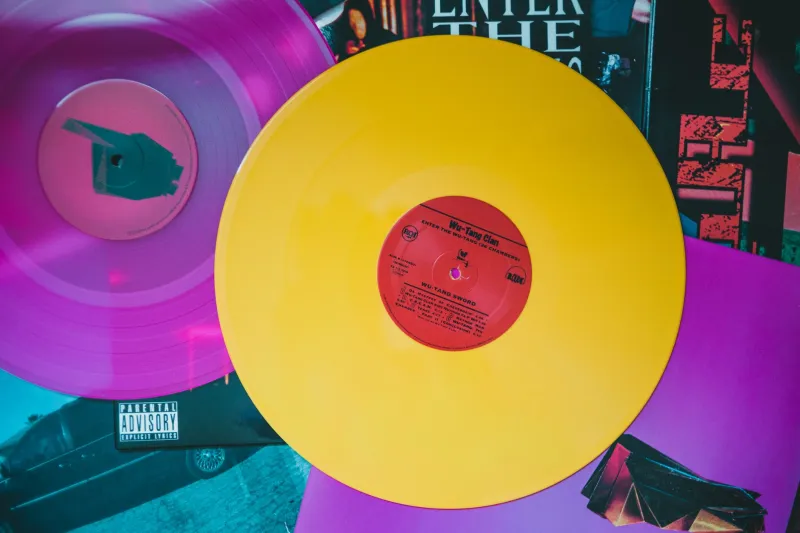
There's something deeply satisfying about the crackle that hits before the first chord drops. It's not a glitch. It's not buffering. It's proof that you actually own something.
Across the US punk scene, that crackle has become a rallying cry. Vinyl records—once presumed dead, then quietly resurrected, now absolutely thriving—have taken on a meaning that goes way beyond nostalgia. For a community that's always pushed back against whatever the mainstream is selling, buying a record is starting to feel a lot like a political act.
Streaming Gave Fans Everything Except Something to Hold
Let's be honest about what streaming did to music. It made access frictionless. You can pull up any song, any band, any era in seconds. That's genuinely impressive. But somewhere in the process of making music infinitely available, it also made it feel disposable. Songs became content. Albums became playlists. Bands became thumbnails.
For punk fans who grew up in record stores, at merch tables, and in basements where the PA system was held together with actual duct tape, that shift hit different. Music was never supposed to be ambient wallpaper. It was supposed to mean something. It was supposed to cost you something—time, money, attention.
"Streaming is fine for discovering stuff," says Marcus Webb, a collector out of Chicago who estimates he owns upward of 800 punk and hardcore records. "But I don't feel anything opening an app. When I pull out a record, read the liner notes, look at the artwork—that's when I actually connect with the music. That's when it becomes mine."
That sentiment is echoing through record stores, pressing plants, and punk forums all over the country right now.
The Numbers Don't Lie—Wax Is Back
The Recording Industry Association of America reported that vinyl outsold CDs in revenue for the third consecutive year in 2023. That's not a blip. That's a trend with legs. And while a lot of mainstream coverage frames vinyl's comeback as a Taylor Swift or Harry Styles phenomenon, the punk underground has been quietly driving serious numbers for years.
Independent pressing plants like Pirates Press Records out of San Francisco have built entire business models around serving punk, hardcore, and metal bands who want physical product their fans will actually want to own. Limited color variants, hand-stamped sleeves, inserts stuffed with photos and lyrics—these aren't afterthoughts. They're the whole point.
"Punk bands understand the vinyl format intuitively," says one pressing plant coordinator who works with dozens of independent acts annually. "The artwork, the sequencing, the whole package—they treat it like an artifact, not just a distribution format. That's why their fans go crazy for it."
It's Not Nostalgia—It's Intentionality
Here's where a lot of mainstream coverage gets it wrong: this isn't about recreating the past. Most of the punk kids buying records right now weren't even alive when vinyl was the primary format. They didn't grow up with turntables. They chose them.
That choice matters. In a world where an algorithm decides what you hear next, buying a record is a way of saying I'll decide that, thanks. You pick the band. You pick the record. You put it on. You listen to it in order, from side A to side B, the way the band intended. There's no shuffle. There's no "up next." There's just the music.
For a scene built on self-determination and rejecting corporate control, that's practically a manifesto.
"Spotify doesn't care about Strung Out," says Dani Reyes, who runs a small punk zine out of Austin and recently started a vinyl trade group in her local scene. "The algorithm is going to push you toward whatever makes them money. When I buy a record directly from a band or a distro, I'm saying this is who I want to support. This is what I think matters. That's a very different thing."
Bands Are Leaning In Hard
Smart punk bands have figured out that vinyl isn't just a format—it's a revenue stream and a community-builder rolled into one. Limited pressings sell out fast. Color variants create genuine collector culture. Bundles that pair records with shirts, zines, or hand-written notes turn a transaction into an experience.
Bands like Strung Out have long understood that their most dedicated fans want more than a Spotify play. They want something they can put on a shelf, pull out at a party, and hand to someone saying this record changed my life. That's not something a playlist can do.
Smaller acts are catching on too. Pressing 300 copies of your debut on colored wax and selling them through your own webstore means you keep a far higher percentage of revenue than you'd ever see from streaming, and you're building a physical record of your band's existence that could outlast any platform.
"Platforms come and go," says one independent punk vocalist who recently funded a vinyl run through pre-orders alone. "My record is going to exist in someone's collection twenty years from now. That feels real in a way that a stream count never will."
The Ritual Is the Point
Maybe the most underrated part of the vinyl comeback is what it does to the listening experience itself. Streaming optimizes for convenience. Vinyl optimizes for attention.
You have to get up to flip the record. You have to clean the needle. You have to actually sit with the music instead of half-listening while you scroll. For a generation that's drowning in notifications and content and algorithmic noise, that forced attention can feel like a genuine relief.
It's the same reason people go to shows instead of just watching YouTube clips. The friction is the feature, not the bug. The effort is what makes it matter.
Punk has always been about doing things the hard way when the easy way compromises something important. Choosing vinyl over streaming fits that ethic perfectly. You're not just buying music. You're buying into a different relationship with it entirely.
Where to Start If You're New to the Wax
If you've been thinking about getting into vinyl but haven't pulled the trigger, the punk scene is honestly one of the best entry points. Start at your local record store on a Saturday. Hit up distros like Interpunk or directly support bands through their Bandcamp pages, many of which offer vinyl alongside digital downloads. Keep an eye on limited pressing announcements from your favorite bands—they move fast, and for good reason.
A decent starter turntable doesn't have to break the bank. Audio-Technica's AT-LP120 is a reliable workhorse that won't embarrass you at a listening party. Pair it with some decent bookshelf speakers and you've got a setup that will serve you for years.
Most importantly, buy records from bands you actually care about. Every purchase is a vote for the kind of music you want to exist in the world. In the punk scene, that's always been the whole idea.
Drop the needle. Own your music. The algorithm can wait.

