Last Call for the DIY Dive: How Rising Rents Are Killing the Rooms That Built American Punk
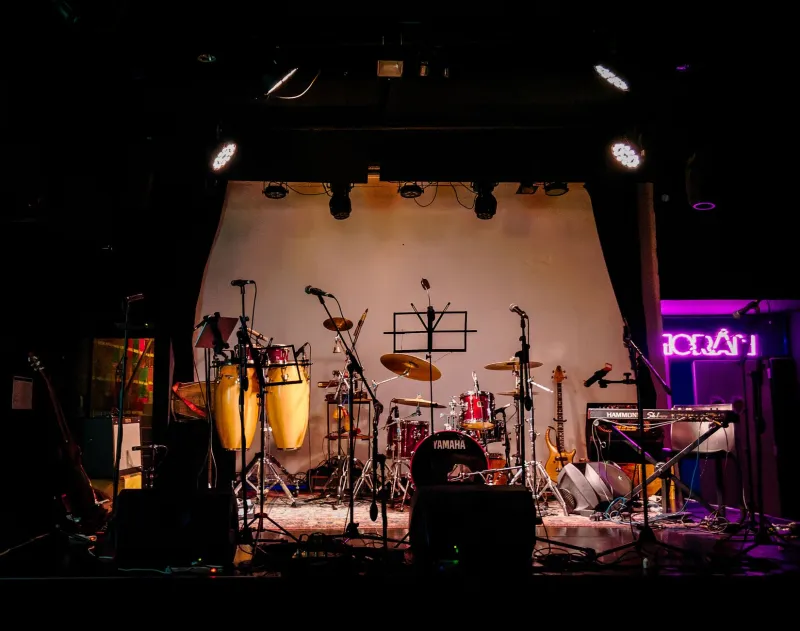
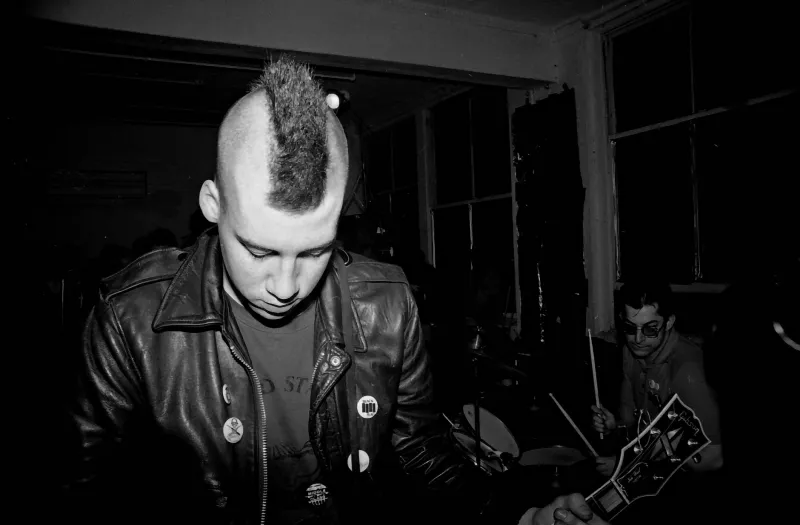
There's a particular kind of grief that hits when you pull up to a venue you played a hundred shows at and find a luxury condo development in its place. No plaque. No acknowledgment. Just glass and steel where a PA system used to rattle the walls every Friday night. It's happening everywhere right now — from the East Coast to the West, from mid-sized Midwestern cities to neighborhoods that were considered too rough to gentrify just ten years ago. The rooms that built American punk are disappearing, and they're not coming back.
This isn't a new conversation, but the pace has accelerated in ways that are genuinely alarming. The venues closing today aren't just random casualties of a tough entertainment economy — they're the specific, irreplaceable spaces where scenes develop organically, where a band playing its third show ever shares a bill with a touring act, where kids who can't get into a proper club find their people for the first time. Lose those rooms and you don't just lose a booking option. You lose the entire pipeline.
The Numbers Don't Lie
The National Independent Venue Association has been sounding the alarm for years, but the data coming out of major metropolitan areas is particularly brutal. In Los Angeles, commercial property values in historically affordable neighborhoods like Highland Park and Lincoln Heights have tripled in some cases over the past decade. Chicago's Logan Square — once a reliable incubator for DIY shows — has watched venue after venue fold as triple-net lease renewals arrive with numbers that no cover-charge operation can realistically sustain. In New York, it's almost not worth listing specific venues because the list of closures would outlast this article.
What makes this crisis different from previous waves of venue closures is that it's structural rather than circumstantial. In past eras, a venue might close because of a noise complaint or a liquor license dispute — problems that were frustrating but solvable. What's happening now is a fundamental repricing of urban real estate that treats cultural spaces as inefficient uses of valuable square footage. A 300-capacity venue generating $8,000 on a good weekend simply cannot compete with the monthly rent a developer can extract from converting that same footprint into apartments or retail.
The People Holding the Doors Open
Talk to the people actually running these spaces and you hear a consistent story: they're not doing it for the money, which means the moment the economics become truly impossible, there's no financial cushion to absorb the blow.
Take the operators running mid-sized DIY spaces in cities like Richmond, Virginia, or Omaha, Nebraska — places where the punk infrastructure has historically been more resilient because real estate was affordable enough to make the math work. Even those markets are feeling the squeeze now. Landlords who held long-term leases at below-market rates for years are either selling to developers or finally adjusting rents to reflect what the neighborhood has become rather than what it was.
The operators who survive tend to be the ones who found creative structural solutions before the crisis fully hit — venues that purchased their buildings when they had the chance, organizations that converted to nonprofit status and accessed grant funding, spaces that diversified their programming beyond just music to include art shows, community events, and private rentals that subsidize the show calendar. But those options require either capital or institutional savvy that most DIY venue operators simply don't have.
Zoning: The Quiet Killer
Beyond raw rent increases, zoning law changes are doing enormous damage in ways that get far less media coverage than a high-profile closure. Cities across America have been quietly reclassifying entertainment districts, tightening noise ordinances, and introducing new permitting requirements that create compliance costs that are effectively prohibitive for small operators.
In several Texas cities, new mixed-use developments have successfully lobbied for sound ordinance adjustments that make it legally impossible for existing venues nearby to operate at the volumes their programming requires. In parts of the Pacific Northwest, rezoning pushes have reclassified light industrial areas — historically the home of warehouse venues — as residential-adjacent, triggering noise restrictions that eliminate live music as a viable use. The venues don't get shut down in a dramatic raid. They just slowly get regulated into a version of themselves that no longer works.
This is deliberate, and everyone in the industry knows it. New residential developments near existing music venues have a financial incentive to eliminate the noise competition that complicates their sales pitches to prospective tenants. Lobbying for ordinance changes is a routine part of that playbook.
What Gets Lost When the Room Closes
It's easy to frame this as a business story — and it is — but the cultural stakes are harder to quantify and arguably more important. The venues disappearing right now are the specific rooms where scenes develop their identity. They're where a band like Strung Out, coming up in the early '90s Southern California scene, could play repeatedly in front of small but intensely loyal audiences and develop the kind of chemistry and conviction that eventually produces records that still hit hard thirty years later. That developmental environment doesn't happen in a vacuum. It happens in a specific room, in a specific city, with a specific community of people who keep showing up.
When those rooms close, the bands that would have developed in them don't automatically find somewhere else to develop. Some of them just stop. The kids who would have found their scene at a $10 show in a converted garage find other things to do with their weekends. The cultural throughline gets interrupted, and punk — which has always survived by regenerating itself at the grassroots level — loses the infrastructure that makes that regeneration possible.
Fighting Back
The responses from within the punk and DIY community have been varied and, in some cases, genuinely innovative. Venue preservation campaigns have successfully raised community awareness and, in a handful of cases, applied enough political pressure to influence zoning decisions. Some cities have begun exploring formal cultural district designations that provide limited protections for music venues, modeled on programs in Austin and Nashville that predate the current crisis.
Crowdfunded building purchases, venue cooperatives, and partnerships with local arts organizations are all strategies that have shown promise in isolated cases. None of them are silver bullets, and all of them require organizing capacity and community investment that doesn't materialize automatically.
What's clear is that the punk scene can't treat this as someone else's problem to solve. The venues that survive the next decade will be the ones with active, engaged communities fighting for them — not just showing up to shows, but showing up to city council meetings, contributing to building funds, and treating their local DIY space as essential infrastructure worth protecting.
Because that's exactly what it is. The bands will keep forming. The music will keep getting made. But without the rooms to play it in, punk's future as a genuinely grassroots movement gets a lot harder to imagine.